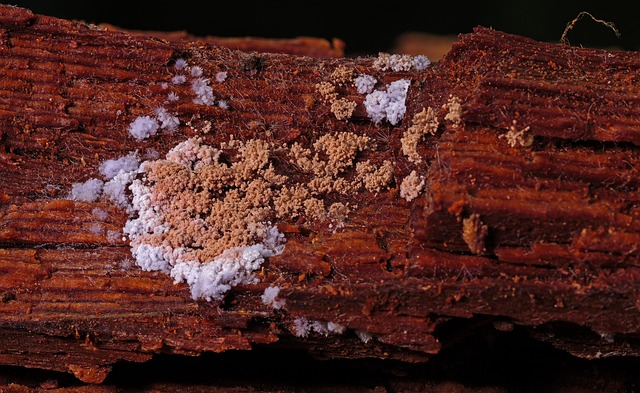
Black mold health risks in San Antonio homes are exacerbated by the city's warm, humid climate……..
Category: Black mold health risks in San Antonio homes
Black Mold Health Risks in San Antonio Homes: An In-depth Analysis
Introduction
In the heart of Texas, San Antonio, a vibrant metropolis, grapples with an invisible yet potent threat lurking within its homes—black mold. This insidious fungus, often referred to as Stachybotrys chartarum or simply black mold, poses significant health risks to residents and has become a growing concern for public health officials and real estate professionals alike. The presence of black mold in residential spaces not only compromises indoor air quality but also raises critical questions about the well-being of San Antonio’s communities. This article aims to delve into the multifaceted world of black mold health risks, exploring its origins, impacts, and the various strategies employed to mitigate its effects in San Antonio homes. By the end, readers will gain a comprehensive understanding of this pressing issue and its implications for both individuals and the city as a whole.
Understanding Black Mold Health Risks: A Comprehensive Overview
Definition: Black mold is a type of fungus that thrives in damp and humid environments, characterized by its dark, often black or green-black sporulace. It grows on various surfaces, including building materials, insulation, and even paper products. In homes, it commonly develops as a result of water intrusion, poor ventilation, or elevated humidity levels.
Health Risks: The primary concern with black mold is its potential to negatively impact human health. Exposure to black mold spores can lead to a range of adverse effects, particularly in individuals with compromised immune systems, respiratory conditions, or allergies. Here are some key health risks associated with black mold:
- Respiratory Issues: Inhalation of black mold spores may cause coughing, wheezing, shortness of breath, and aggravated asthma symptoms. Prolonged exposure can lead to chronic respiratory problems.
- Allergic Reactions: Many people experience allergic reactions to black mold, including skin rashes, sneezing, runny noses, and eye irritation. Individuals with existing allergies or asthmatic conditions are particularly susceptible.
- Mycotoxins: Some types of black mold produce mycotoxins, which are harmful compounds that can cause a range of health problems. These toxins may lead to symptoms such as headaches, fatigue, memory loss, and even neurological damage in severe cases.
- Immune System Suppression: Prolonged exposure to high levels of black mold spores can weaken the immune system, making individuals more susceptible to infections and diseases.
- Psychological Impact: The presence of black mold in homes can create an unsettling environment, contributing to stress, anxiety, and even depression among affected residents.
Significance in San Antonio: San Antonio’s warm, humid climate creates the ideal conditions for black mold growth, making it a particular concern for homeowners and renters alike. According to a 2022 study by the Texas Department of Health and Human Services, San Antonio had one of the highest rates of reported indoor air quality complaints related to mold in the state. The city’s persistent moisture, coupled with frequent heavy rainfall and high humidity during the summer months, contributes to increased water intrusion and subsequent mold growth in homes.
Global Impact and Trends
Black mold health risks are not confined to San Antonio; it is a global issue with varying levels of impact across regions. Here’s an overview:
| Region | Impact and Trends |
|---|---|
| North America | The United States, including San Antonio, has seen a significant rise in awareness and legal cases related to black mold exposure. Strict building codes and improved remediation practices are becoming the norm, driven by numerous high-profile lawsuits against property owners and insurance companies. |
| Europe | European countries have implemented stringent regulations regarding indoor air quality and mold remediation. Germany, for instance, has one of the most comprehensive sets of guidelines, emphasizing prevention and proper ventilation to curb mold growth. |
| Asia Pacific | Rapid urbanization in cities like Hong Kong and Singapore has led to increased concerns about mold in high-rise buildings and densely populated areas. The region’s warm and humid climate further exacerbates the issue, prompting governments to invest in research and public awareness campaigns. |
| Latin America | Countries in this region face unique challenges due to varying climates and building practices. Brazil, for example, has seen an upsurge in mold-related health complaints, leading to calls for better building standards and indoor air quality regulations. |
Economic Considerations
The economic implications of black mold health risks are multifaceted and significant:
- Market Dynamics: Homeowners affected by black mold often face substantial financial losses due to property damage, remediation costs, and potential legal fees. This can impact the real estate market, as properties with a history of mold issues may struggle to sell at premium prices.
- Investment Patterns: Investors in commercial and residential properties are increasingly incorporating mold risk assessments into their decision-making processes. Properties with well-documented mold remediation histories are often favored, reflecting the economic burden associated with black mold avoidance.
- Insurance Industry: Insurance companies have seen a surge in claims related to black mold damage. This has led to stricter policies, higher premiums, and more stringent proof-of-remediation requirements for affected homeowners.
Technological Advancements
Technological innovations play a crucial role in understanding and mitigating black mold health risks:
- Advanced Air Quality Monitoring: Smart air quality sensors and IoT (Internet of Things) devices enable continuous monitoring of indoor environments, providing real-time data on spore levels and humidity. This technology assists in identifying areas prone to mold growth and aids in effective remediation planning.
- Improved Remediation Techniques: Newer methods like vapor barrier installation, negative pressure ventilation, and advanced dehumidification systems have revolutionized mold remediation. These techniques ensure more efficient and thorough removal of mold and spores, reducing the risk of re-growth.
- Biotechnology Applications: Researchers are exploring the use of beneficial molds and bacteria to compete with harmful black mold species, offering a natural and eco-friendly approach to prevention.
- Digital Remediation Reports: Digital platforms and mobile apps provide transparent, detailed reports on mold inspection findings, remediation processes, and post-remediation air quality assessments, ensuring transparency and easier access to information for homeowners.
Policy and Regulation
Governments worldwide have recognized the need for policies and regulations to address black mold health risks:
- Building Codes: Many cities have implemented strict building codes that mandate better ventilation systems, improved insulation, and regular inspections to prevent water intrusion, all of which help reduce the likelihood of black mold growth.
- Indoor Air Quality Standards: Several countries and states have established indoor air quality standards, setting maximum acceptable levels for various pollutants, including mold spores. These standards guide building maintenance practices and remediation protocols.
- Occupational Safety and Health Regulations: In industries where workers are at higher risk of exposure, such as construction and renovation sectors, strict guidelines ensure the use of personal protective equipment (PPE) and proper ventilation during mold removal processes.
- Public Awareness Campaigns: Governments launch awareness campaigns to educate citizens about black mold risks, prevention measures, and the importance of timely remediation.
Challenges and Criticisms
Despite significant progress, the field of black mold health risk management faces several challenges:
- Lack of Standardized Remediation Protocols: The absence of uniform remediation guidelines across regions can lead to inconsistent practices, potentially leaving some areas vulnerable to inadequate remediation.
- Complex Legal Landscape: Mold cases have given rise to a complex legal environment, with numerous lawsuits and varying interpretations of liability, creating challenges for both property owners and remediation professionals.
- Underreporting of Health Effects: Some critics argue that the full extent of health risks associated with black mold exposure is still not fully understood, leading to underreporting of symptoms and complications.
- Costly Remediation Processes: The high cost of professional mold remediation services can deter homeowners from seeking timely help, leaving them at greater risk of prolonged exposure.
Proposed Solutions: To address these challenges, collaborative efforts between government bodies, health authorities, and industry experts are essential. Standardized guidelines for remediation, increased public awareness, and improved legal clarity can help streamline the process. Additionally, making mold insurance coverage more accessible and affordable can encourage proactive measures to prevent and remediate black mold issues.
Case Studies: Successful Applications and Lessons Learned
Case Study 1: The Downtown San Antonio Condo Complex
In 2018, a luxury condo complex in downtown San Antonio faced a significant black mold infestation. The issue was discovered during a routine inspection, prompting immediate action. The building management collaborated with environmental experts to implement a multi-phased remediation plan. This involved:
- Complete removal of affected drywall and insulation.
- Installation of advanced dehumidification systems and negative pressure ventilation.
- Strict cleaning protocols using specialized equipment to remove mold spores.
- Regular monitoring of air quality for several months post-remediation.
The project was successfully completed within six months, with all units restored to safe living conditions. This case highlights the importance of prompt action, comprehensive remediation strategies, and ongoing monitoring in large-scale mold removal projects.
Case Study 2: The Old San Antonio School District
An old elementary school in the heart of San Antonio was plagued by black mold growth due to years of water intrusion and inadequate ventilation. The school district initiated a long-term remediation plan that included:
- Replacing old, damaged insulation with moisture-resistant materials.
- Upgrading ventilation systems and installing dehumidifiers in all classrooms.
- Conducting regular maintenance checks and prompt repair of any water leaks.
- Providing ongoing health monitoring for students and staff.
The school district’s proactive approach significantly reduced the mold problem and created a safer learning environment. This case emphasizes the long-term benefits of preventive measures and the importance of maintaining healthy indoor environments in educational institutions.
Future Prospects: Emerging Trends and Strategic Considerations
As San Antonio continues to grapple with black mold health risks, several emerging trends and strategic considerations shape its future:
- Prevention is Key: There is a growing emphasis on preventive measures, including improved building codes, better insulation, and advanced ventilation systems, to inhibit mold growth from the outset.
- Digitalization of Remediation: The integration of digital technology in remediation processes will likely increase, offering more efficient, data-driven solutions for identifying and addressing mold issues.
- Green Remediation Practices: Eco-friendly remediation techniques, focusing on natural remedies and minimal use of chemicals, are gaining traction as environmentally conscious consumers demand sustainable solutions.
- Community Education: Enhancing public awareness through community workshops, school programs, and digital campaigns will empower residents to take proactive steps in preventing and addressing black mold problems.
- Collaboration Between Stakeholders: Effective collaboration between government agencies, health professionals, insurance companies, and real estate developers is crucial for creating a comprehensive strategy to mitigate black mold risks across San Antonio.
Conclusion: A Call to Action for Safer Homes
The presence of black mold in San Antonio homes poses a significant threat to public health and well-being, yet it also presents an opportunity for city-wide improvement and innovation. As the data and case studies have demonstrated, the challenges associated with black mold are complex but not insurmountable. By understanding the risks, implementing robust policies, embracing technological advancements, and fostering collaboration among stakeholders, San Antonio can create a safer, healthier living environment for its residents.
FAQ Section: Addressing Common Concerns
Q: How do I know if there is black mold in my home?
A: Signs of black mold include visible discolored patches on walls or ceilings, musty odors, and elevated humidity levels. If you suspect mold, consult a professional for a thorough inspection.
Q: Is all black mold dangerous?
A: While not all black mold is toxic, many species produce harmful mycotoxins. Inhalation of these spores can lead to various health issues, especially in vulnerable individuals.
Q: What should I do if I find black mold in my home?
A: If the area affected is small (less than 10 square feet), you can attempt DIY remediation. For larger areas or severe cases, consult professionals who specialize in mold removal.
Q: Can insurance cover the cost of black mold remediation?
A: Many insurance policies do cover mold-related damages, but coverage varies. Review your policy or contact your insurer to understand your specific benefits and limitations.
Q: How can I prevent black mold growth in my home?
A: Prevention involves maintaining proper ventilation, controlling humidity levels (ideally below 50%), addressing water leaks promptly, and ensuring adequate insulation. Regular inspections also help identify potential issues early on.

San Antonio Homeowners: Black Mold Risks & Cleanup Solutions
Black mold health risks in San Antonio homes are a significant concern due to the humid climate, wit…….
Interpreting Black Mold Lab Results for Safe San Antonio Homes
San Antonio's humid climate fosters black mold (Stachybotrys chartarum) growth, posing signific…….
San Antonio Mold Inspection: Health Risks & Certified Peace of Mind
San Antonio's humid climate poses significant Black mold health risks. Certified professionals…….
Uncovering San Antonio Home’s Black Mold Health Risks
San Antonio's humid climate fosters black mold growth, posing health risks including respirator…….
San Antonio HEPA Filters: Mold Remediation & Black Mold Prevention
High-Efficiency Particulate Air (HEPA) filters are key to mitigating Black mold health risks in San…….
Uncovering San Antonio Home Mold Risks: Certified Assessment Services
Mold inspection services in San Antonio are essential for public health and property preservation, e…….
San Antonio Home Mold Inspection: Health Risks Mitigated
A thorough mold inspection is crucial for San Antonio homes due to black mold health risks, especial…….
Uncover San Antonio Home Moisture Sources for Black Mold Prevention
Black mold health risks in San Antonio homes are primarily driven by moisture sources, such as leaks…….
Uncovering San Antonio’s Hidden Black Mold Risks
Black mold health risks in San Antonio homes are significant due to the city's warm, humid clim…….